.webp)
Apartment Mold Testing: What Renters Should Know Before Scheduling an Inspection
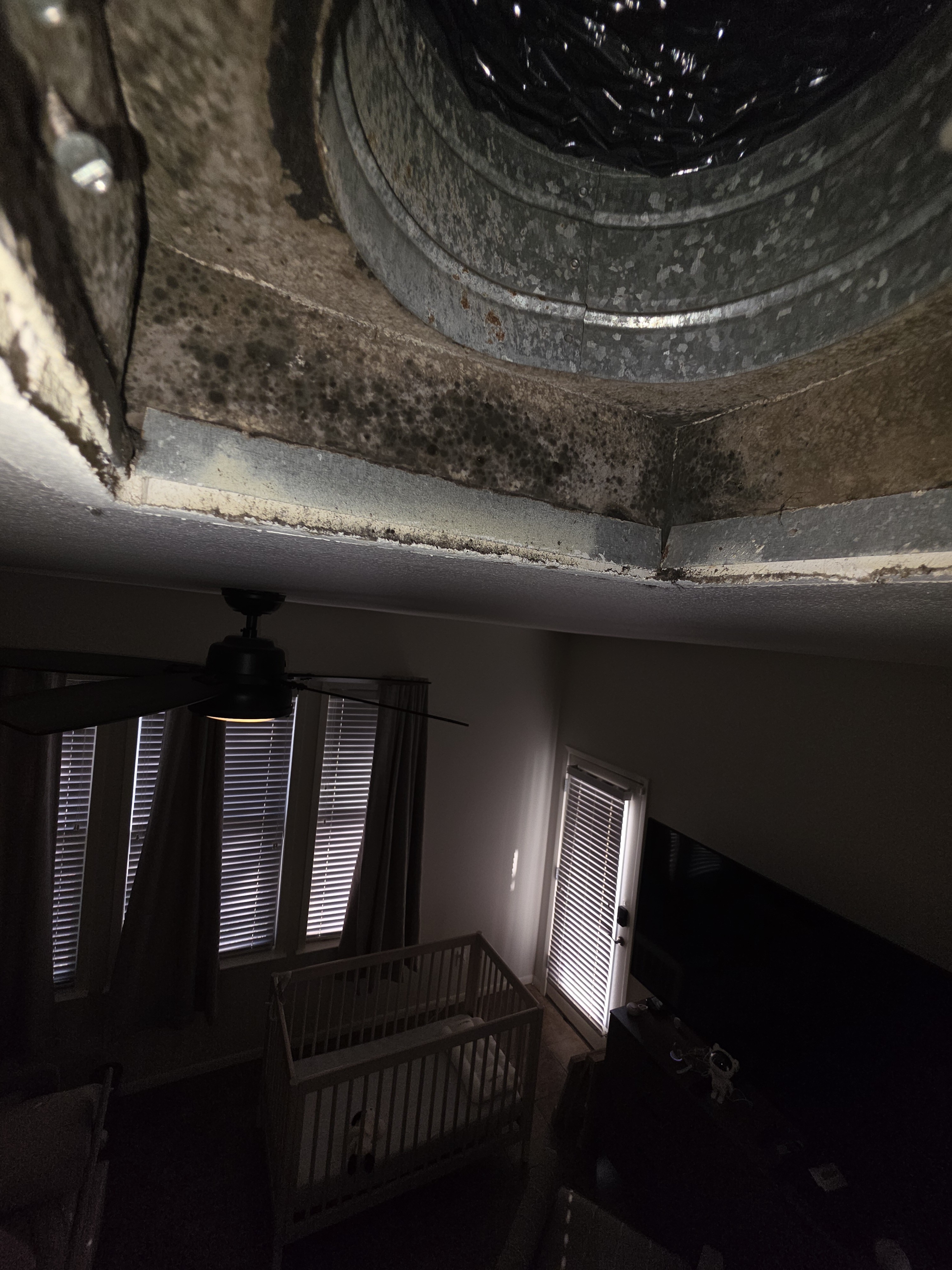
Living in an apartment has many benefits, but when water damage, excessive humidity, plumbing leaks, or musty odors appear, renters may begin wondering whether mold is affecting their living space. Searching for mold inspection and testing near me can be an important first step toward understanding what may be happening inside your apartment.
At Texas License Professional, we provide professional mold inspections and testing to help identify potential mold and moisture concerns. Understanding what happens during an inspection can help renters know what to expect before scheduling an appointment.
When Should You Consider Mold Testing in an Apartment?
Mold needs moisture to grow, which means apartments with current or previous moisture problems may require additional evaluation. A leak may be repaired, but moisture can sometimes remain in drywall, cabinetry, flooring, or other building materials.
You may want to consider an Apartment Mold Inspection if you notice:
- Persistent musty or unusual odors
- Visible mold-like growth or discoloration
- Water stains on walls or ceilings
- Previous plumbing leaks or water damage
- Recurring condensation or high indoor humidity
- Moisture around windows, HVAC systems, or plumbing fixtures
- Concerns following water damage from an adjacent apartment
When searching for mold inspection and testing near me, look for a company that provides more than just sampling. A professional assessment should consider the conditions of the property, potential moisture sources, visible observations, and appropriate testing methods.
What Happens During an Apartment Mold Inspection?
Every property is different, so the inspection and sampling strategy may vary depending on the conditions observed.
During an Apartment Mold Inspection, the inspector may visually evaluate accessible areas for evidence of moisture intrusion, water damage, or suspected mold growth. Moisture readings may also be taken in areas of concern to help determine whether building materials are retaining elevated moisture.
Particular attention may be given to areas such as bathrooms, kitchens, HVAC closets, windows, ceilings, plumbing fixtures, and locations with a history of water damage.
Air Sampling and Indoor Air Quality
Depending on the conditions, air samples may be recommended to evaluate airborne mold spores.
Indoor air samples can be collected from areas of concern and submitted to an independent laboratory for analysis. An outdoor air sample may also be collected as a baseline for comparison with indoor conditions.
This information can help the mold assessment professional evaluate the types and concentrations of mold spores identified in the sampled areas.
If you have noticed musty odors or experienced a recent water event but cannot identify visible mold growth, searching for mold inspection and testing near me can help you locate a professional who can determine whether testing is appropriate for your situation.
What About Surface Samples?
Air testing isn't the only method available. When visible or suspected growth is present, a surface sample may be appropriate.
Tape lifts, swabs, or other approved sampling methods can help identify whether suspected material contains mold growth. The type of sampling recommended should be based on the conditions observed rather than automatically collecting samples from every surface.
A professional assessment combines laboratory results with observations made at the property to develop a clearer understanding of the conditions present.
What Happens After the Samples Are Collected?
Samples collected during the inspection are sent to a laboratory for analysis. Once the results are available, they should be reviewed alongside the observations made during the inspection.
At Texas License Professional, our reports can document areas inspected, observations, sampling results, moisture concerns, photographs when applicable, and recommendations based on the assessment.
An Apartment Mold Inspection can provide renters and other involved parties with professional documentation of the conditions observed at the time of the assessment.
Should Renters Tell Their Property Manager?
If you discover a leak, water damage, visible suspected mold growth, or another moisture-related problem, document the condition and consider notifying your property manager or landlord promptly.
Photos, written communication, maintenance requests, and professional inspection reports can help create a record of the conditions and actions taken.
Mold testing does not replace correcting the source of moisture. If an active leak or moisture source exists, addressing that underlying problem is an important part of preventing continued water damage and potential mold growth.
Professional Mold Testing in Austin, Texas
If you're concerned about mold or moisture inside your apartment, getting professional information can help you better understand the conditions within the property.
Instead of relying on appearance alone or an at-home test kit, searching for mold inspection and testing near me can connect you with a professional who can evaluate the property, determine whether sampling is appropriate, and provide documentation of the findings.
Texas License Professional provides professional mold inspection and testing services in Austin and surrounding areas. Whether you've experienced a recent water leak, noticed a musty odor, discovered suspicious growth, or simply want additional information about the indoor environment, our team can help.
Contact Texas License Professional today to learn more about scheduling professional mold testing for your apartment.
.svg)
.webp)
